
Summary
The vote has significant implications for the balance of power between the executive and legislative branches of government. The [[war-powers-act|War Powers Act]] of 1973 was enacted to prevent the president from unilaterally taking the country to war. However, the act has been the subject of much controversy and debate, with some arguing that it is too restrictive, while others claim that it does not go far enough in limiting the president's power. As the conflict with Iran continues, the [[house-of-representatives|House of Representatives]] will likely continue to play a crucial role in shaping the country's response. For more information on the [[war-powers-act|War Powers Act]] and its history, see our related topic page.
Key Takeaways
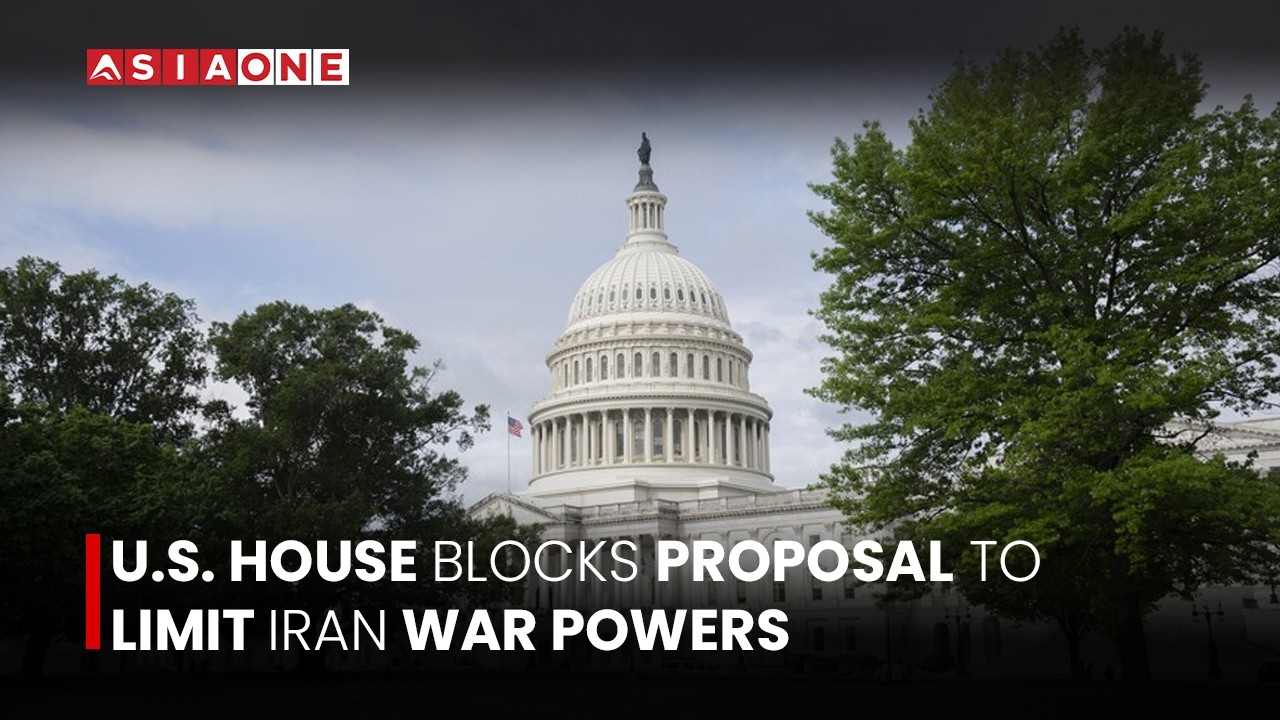
- The House of Representatives rejected a proposal to limit President Trump's war powers in relation to the conflict with Iran
- The vote was narrow, with Republican leaders managing to keep defections to a minimum
- The implications of the vote are still unclear, but it is likely to have significant effects on the balance of power between the executive and legislative branches of government
- The conflict with Iran is a complex issue with no clear-cut solution
- The vote highlights the deep divisions within the Republican Party on the issue of the Iran conflict
Balanced Perspective
The vote on the proposal to limit President Trump's war powers is a complex issue with no clear-cut solution. On one hand, the president's actions in relation to the conflict with Iran have been widely criticized, with many arguing that they are an overreach of executive power. On the other hand, the president's supporters argue that his actions are necessary to protect national security and prevent the spread of terrorism. The [[war-on-terrorism|war on terrorism]] has been a major focus of American foreign policy for decades, and the conflict with Iran is just the latest iteration of this effort. Ultimately, the decision to reject the proposal to limit the president's war powers will have significant implications for the balance of power between the executive and legislative branches of government. For more information on the [[executive-power|executive power]] and its limitations, see our related topic page.
Optimistic View
The narrow rejection of the proposal to limit President Trump's war powers suggests that the **Republican Party** is still committed to supporting the president's national security agenda. This could be seen as a positive development for those who believe that a strong military presence is necessary to protect American interests abroad. Additionally, the fact that the vote was close indicates that there is still a strong sense of bipartisanship in the **House of Representatives**, with many members willing to work across party lines to find common ground. The [[bipartisan-cooperation|bipartisan cooperation]] on display in the vote is a promising sign for the future of American politics. For more information on the [[national-security|national security]] implications of the conflict, see our related topic page.
Critical View
The rejection of the proposal to limit President Trump's war powers is a disturbing development that suggests that the **Republican Party** is more interested in supporting the president's agenda than in upholding the principles of democracy. The fact that the vote was narrow indicates that there is still a strong sense of opposition to the president's actions, but the fact that the proposal was ultimately rejected suggests that the president's supporters are willing to do whatever it takes to maintain their power. This could have significant implications for the future of American democracy, as it suggests that the **executive branch** is becoming increasingly powerful and unaccountable. The [[accountability|accountability]] of the executive branch is a crucial aspect of American democracy, and the rejection of the proposal is a worrying sign for the future. For more information on the [[democracy|democracy]] and its challenges, see our related topic page.
Source
Originally reported by Politico