
Summary
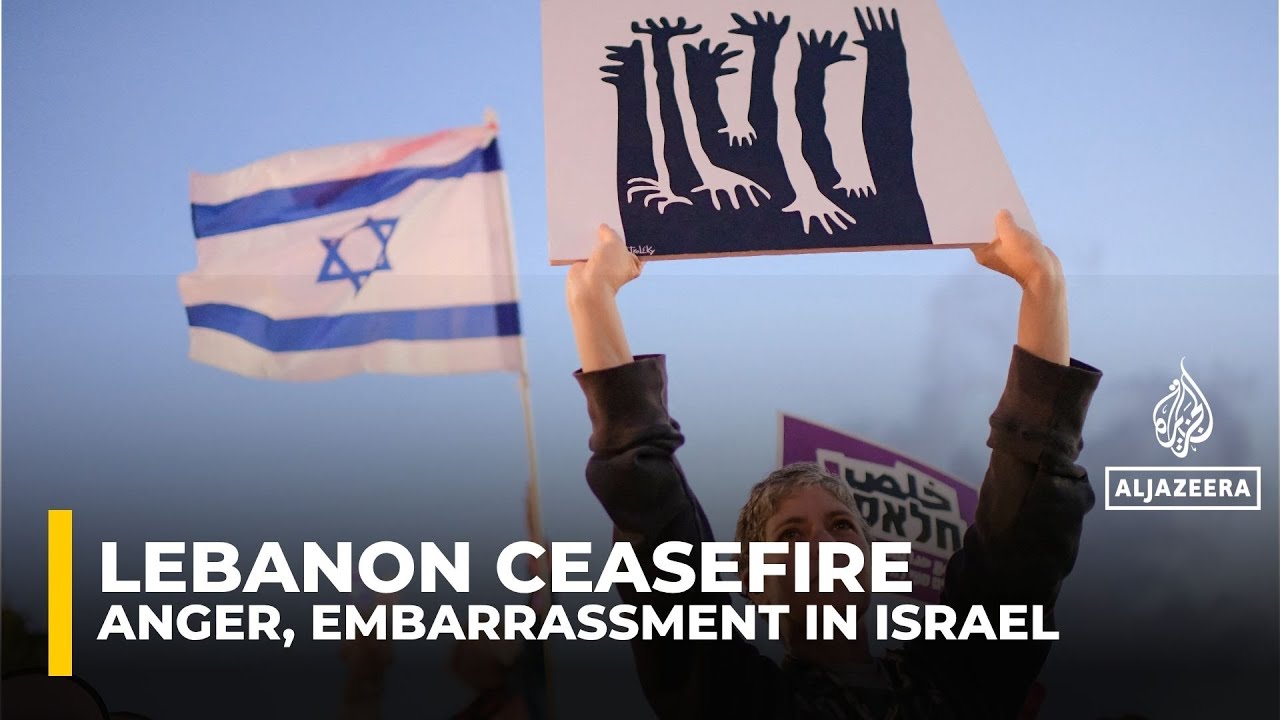
A **10-day ceasefire** between **Israel** and **Lebanon** has come into effect, as announced by **US President Donald Trump**. The truce aims to reduce tensions in the region, which have been escalating due to **Iran**'s growing influence and **US** involvement. The ceasefire is a significant development, but its success is uncertain, given the complex web of alliances and rivalries in the Middle East. The situation is being closely watched by **European** powers, who are concerned about the potential for **regional instability**. Meanwhile, **Trump** has repeated an **inaccurate claim** about **Pope Francis**, which has sparked controversy. The **Middle East** remains a volatile region, with **Iran**'s nuclear program and **US** sanctions continuing to drive tensions. For more information, see [[middle-east|Middle East]] and [[iran-nuclear-program|Iran's Nuclear Program]].
Key Takeaways
- A 10-day ceasefire between Israel and Lebanon has come into effect
- The ceasefire was announced by US President Donald Trump
- The situation in the Middle East remains complex and volatile
- The US has been involved in the conflict in the region
- The ceasefire is unlikely to lead to a lasting peace without a broader resolution to the conflict.
Balanced Perspective
The **Israel-Lebanon ceasefire** is a complex development, and its implications are not yet clear. While it is a positive step towards reducing violence, it is uncertain whether it will hold, given the deep-seated rivalries and tensions in the region. The **US** has been involved in the conflict, and its role in brokering the ceasefire is significant. However, the **US** must also consider the perspectives of **European** powers and other regional actors, who may have different views on the situation. See [[israel-lebanon-relations|Israel-Lebanon Relations]] and [[european-union|European Union]] for more information.
Optimistic View
The **Israel-Lebanon ceasefire** is a significant step towards peace in the region, and it demonstrates the ability of **international diplomacy** to resolve conflicts. The **US** has played a crucial role in brokering the truce, and its efforts should be commended. However, the success of the ceasefire depends on the cooperation of all parties involved, including **Hezbollah** and **Iran**. For more information, see [[international-diplomacy|International Diplomacy]] and [[us-foreign-policy|US Foreign Policy]].
Critical View
The **Israel-Lebanon ceasefire** is unlikely to hold, given the long history of conflict in the region. **Hezbollah** and **Iran** are unlikely to abandon their goals, and **Israel** will continue to view them as threats. The **US** has made **inaccurate claims** about the situation, which has undermined its credibility. The **Middle East** remains a volatile region, and the ceasefire is unlikely to lead to a lasting peace. For more information, see [[hezbollah-iran-relations|Hezbollah-Iran Relations]] and [[us-middle-east-policy|US Middle East Policy]].
Source
Originally reported by Sky News